Care is the cornerstone of our practice

Chiropractor in Stoney Creek

Are Chiropractic Adjustments Safe? Understanding the Benefits, Myths & What to Expect

Are Chiropractic Adjustments Safe? Understanding the Benefits, Myths & What to Expect

If you’ve ever wondered whether chiropractic adjustments are safe, you’re not alone. At Wellspring Health and Wellness in Hamilton and Stoney Creek, we regularly hear this question—and the answer is YES, chiropractic care is generally safe when performed by a licensed professional. Let’s explore the facts, debunk the myths, and explain why so many people turn to chiropractic care for lasting relief from pain.

Why People Choose Chiropractic Adjustments

Chiropractic care is a natural, drug-free treatment option that focuses on spinal alignment to improve overall function and reduce pain. Patients commonly seek chiropractic care for:

  • Back and neck pain
  • Headaches and migraines
  • Postural issues from prolonged sitting or desk work
  • Joint stiffness and reduced range of motion

Are Chiropractic Adjustments Safe?

When performed by a qualified chiropractor, adjustments are extremely safe. At Wellspring, our licensed chiropractors have years of training and experience. They take time to assess your condition, explain the treatment plan, and tailor each adjustment to your comfort level.

Common Myths About Chiropractic Adjustments

  • Myth: Adjustments are painful.
    Fact: Most people feel relief immediately.
  • Myth: Chiropractors “crack” your bones.
    Fact: The sound is gas releasing from joints—not bones cracking.
  • Myth: It’s only for back pain.
    Fact: It helps with headaches, posture, and overall wellness.

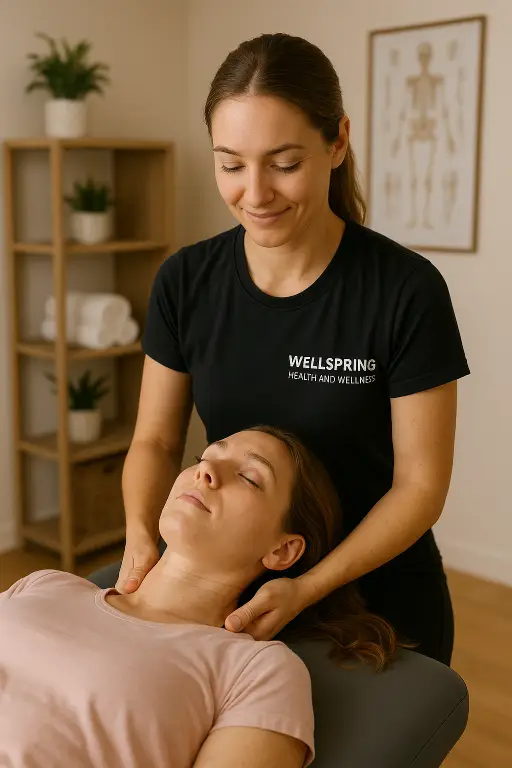
Chiropractor treating patient

What to Expect at Your First Visit

At Wellspring, we begin with a detailed assessment of your medical history and symptoms. The chiropractor will explain each step before performing any adjustments. Most patients report feeling lighter, more mobile, and relaxed after their first visit.

Ready to Feel Better?

Book Your Chiropractic Consultation Today

Pelvic floor exercises

Why Pelvic Floor Physiotherapy Is More Than Just Kegels

Why Pelvic Floor Physiotherapy Is More Than Just Kegels — And When Kegels Might Do More Harm Than Good

Most people associate pelvic floor physiotherapy with Kegels. While Kegels have their place, they are far from a one-size-fits-all solution — and in some cases, they can even make things worse. At Wellspring Health and Wellness in Hamilton and Stoney Creek, our pelvic floor therapists offer a personalized approach that goes well beyond Kegels.

What Exactly Are Kegels?

Kegels are exercises that involve contracting and relaxing the pelvic floor muscles. They’re often recommended for issues like urinary incontinence or postpartum recovery — but they’re not always the answer.

When Kegels Might Do More Harm Than Good

  • When the pelvic floor is too tight (hypertonic pelvic floor)
  • If you have pelvic pain, painful intercourse, or chronic constipation
  • In cases of pelvic organ prolapse without proper evaluation

In these cases, doing Kegels can worsen the symptoms and delay healing. That’s why a tailored assessment is crucial.

What We Do Instead at Wellspring

Our pelvic floor physiotherapy includes:

  • Detailed internal and/or external assessments (based on your comfort)
  • Breathing and posture retraining
  • Manual therapy and relaxation techniques
  • Education on proper bladder and bowel habits
  • Tailored home exercise plans (yes, sometimes including Kegels — but only if appropriate!)

Pelvic floor exercises

Serving Hamilton, Stoney Creek, and Surrounding Areas

We are proud to be one of the few clinics in the region offering specialized pelvic floor therapy for both women and men. Whether you’re postpartum, managing incontinence, or struggling with pelvic pain — we’re here to help.

Next Steps: Book a Free Consultation

When you book, you’ll receive a confidential online intake form covering your medical history. This helps our therapists plan your visit ahead of time. If you prefer not to fill it online, feel free to arrive 15 minutes early and complete it at the clinic.


Learn More About Pelvic Floor Physiotherapy

Book Your Appointment Today

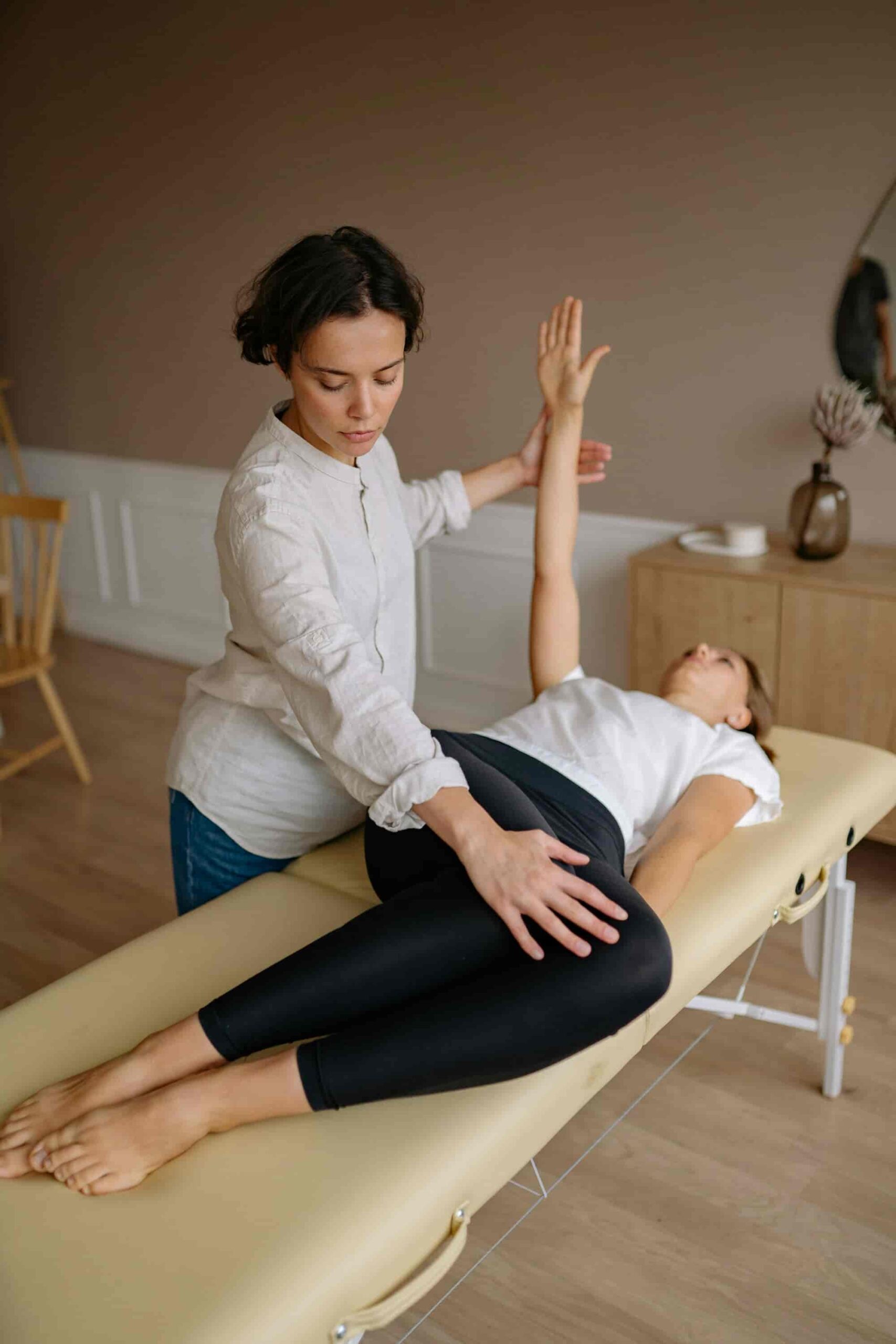
osteopath treating pain in Hamilton

Osteopathy vs. Physiotherapy vs. Chiropractic Care: What’s the Difference?

If you’re struggling with back pain, headaches, or muscle tension, chances are you’ve considered visiting a manual therapist. But with so many options out there – osteopathy, physiotherapy, and chiropractic care – it can be hard to know which is right for you. In this post, we break down the differences, similarities, and strengths of each approach so you can make an informed decision.

osteopath treating pain in Hamilton

Understanding the Basics

Therapy Type Description
Osteopathy A holistic approach focused on improving body function through gentle hands-on manipulation of joints, muscles, and fascia. Emphasizes the body’s ability to self-heal.
Physiotherapy Uses exercise, education, manual therapy, and modalities like ultrasound or TENS to restore movement and function. Focuses on rehab after injury or surgery.
Chiropractic Centers on the spine and nervous system. Uses high-velocity spinal adjustments to improve alignment and reduce pain.

What Conditions They Treat

Condition Osteopathy Physiotherapy Chiropractic
Back & Neck Pain
Sports Injuries
Post-Surgical Rehab
Headaches / Migraines
TMJ / Jaw Pain
Postural Issues
Sciatica
Pregnancy-related Discomforts

Treatment Style and Techniques

  • Manual Osteopath Practitioners use gentle techniques like soft tissue massage, joint mobilization, visceral manipulation, and craniosacral therapy. Sessions are often whole-body focused.

  • Physiotherapists design individualized rehab programs using stretches, strengthening, education, and manual therapy. They often use equipment like resistance bands, ultrasound, or shockwave.

  • Chiropractors primarily perform spinal adjustments (cracking/popping) using their hands or tools like an activator. They also do Manual therapy. Treatments are usually shorter and more focused.

Insurance, Regulation & Booking

  • Insurance Coverage: All three therapies are covered by most extended health insurance plans in Ontario.

  • Referrals Needed?: No referral is needed for any of these services.

  • Regulation:

    • Chiropractors and physiotherapists are regulated in Ontario.

    • Osteopaths are not currently regulated under a college, but many are members Canadian College of Osteopathy.

Which One Should You Choose?

It depends on your specific concern:

  • Choose Physiotherapy if you’re recovering from injury or surgery.

  • Choose Osteopathy for a gentle, whole-body approach to chronic issues, posture, or stress.

  • Choose Chiropractic Care if you’re seeking quick relief for spinal misalignment, neck, or low back pain.

Still unsure? Many of our patients combine these therapies for the best results

Ready to take the next step in your healing journey?


Book a Free Consultation

Physiotherapy near me

Can Men Benefit from Pelvic Floor Physiotherapy? | Hamilton & Stoney Creek

Can Men Benefit from Pelvic Floor Physiotherapy Too? (Hamilton & Stoney Creek Guide)

When people think of pelvic floor physiotherapy, they often assume it’s only for women — especially postpartum care. But the truth is, men have pelvic floors too, and when dysfunction occurs, it can have a major impact on quality of life.

If you’re a man in Hamilton, Stoney Creek, or nearby areas struggling with pelvic pain, incontinence, urgency, post-surgical issues, or even erectile dysfunction, pelvic floor physiotherapy may be the answer you didn’t know existed.


Book Appointment Now

Yes — Men Can Absolutely Benefit from Pelvic Floor Physiotherapy

At Wellspring Health and Wellness, we regularly work with men of all ages and backgrounds who are dealing with a wide range of pelvic floor concerns. These issues are common — but often go unaddressed because many men don’t realize help is available.

Common Male Pelvic Health Issues We Treat


  • Urinary incontinence (leaks when coughing, sneezing, lifting, or urgency)

  • Post-prostatectomy recovery (especially after prostate cancer surgery)

  • Pelvic pain (chronic pain, pressure, or discomfort in the groin, perineum, or tailbone)

  • Erectile dysfunction

  • Pain with ejaculation

  • Bowel dysfunction (constipation, straining, incomplete emptying)

  • Overactive bladder or urgency

What Happens in a Male Pelvic Floor Physio Session?

Our sessions are private, professional, and 100% tailored to your comfort. Here’s what you can expect:

1. Extensive Health Intake

Once you book, you’ll receive an online intake form to complete before your appointment. This includes questions about medical history, surgeries, urinary/bowel function, and current symptoms.
Prefer paper? Come 15 minutes early and fill it out in person.

2. Thorough External Assessment

Your therapist will evaluate:

  • Breathing patterns

  • Posture and alignment

  • Core and pelvic floor coordination

  • Hip and lower back mobility

  • Muscle tension or imbalances

3. Optional Internal Pelvic Floor Exam

Some male conditions require assessment of the deeper pelvic muscles. With your consent, a gentle internal exam may be offered to evaluate:

  • Muscle tone and strength

  • Trigger points or areas of pain

  • Scar tissue or nerve sensitivity

Internal exams are always optional. Everything is explained clearly beforehand, and you are welcome to decline or stop at any point.

A Private, Respectful Experience

We understand that talking about pelvic health can feel uncomfortable or even embarrassing. That’s why we prioritize:

  • Private treatment rooms

  • One-on-one care from trained professionals

  • Clear communication and consent

  • A non-judgmental, supportive environment

A Real Example:

“I came in for urgency and pain after prostate surgery and had no idea pelvic physio was even a thing for men. Within 4 sessions, I noticed better control and less discomfort. I wish I knew about this sooner.”
Male Client, Stoney Creek

Do You Need a Doctor’s Referral?

No. In Ontario, you don’t need a referral to see a pelvic floor physiotherapist — and we offer direct billing for most insurance plans.

Why Choose Us?

There are very few pelvic floor therapists in the Hamilton and Stoney Creek area who offer care for men — especially internal assessments. At Wellspring, we’re proud to support male pelvic health with the same level of expertise, empathy, and professionalism that we bring to all our patients.

Ready to Get Started?

If you’re dealing with pelvic floor issues and you live in Hamilton, Stoney Creek, Binbrook, or nearby, know that you’re not alone — and effective treatment is available.


🔒 Private. Respectful. No referral needed.


Book Your Male Pelvic Floor Appointment

Pelvic floor physiotherapist doing treatment

What to Expect in Your First Pelvic Floor Physiotherapy Appointment — Hamilton & Stoney Creek Guide

Wondering what happens at your first pelvic floor physio session? This step-by-step guide covers everything from intake to assessment — so you feel fully prepared and confident.


Book Your Appointment Today

Who Needs Pelvic Floor Physiotherapy?

  • Postpartum recovery (vaginal or C-section)
  •  Urinary incontinence or leakage
  •  Pelvic organ prolapse
  •  Pain during intercourse
  •  Constipation or bowel dysfunction
  •  Male pelvic pain or post-surgery rehab

No referral needed — we offer direct billing!

What to Expect at Your First Appointment ?

  • Step 1: Initial Conversation

Your therapist will review your intake form and ask questions about your history, symptoms, and goals.

  • Step 2: External Assessment

Posture, movement, and abdominal/pelvic checks.

  • Step 3: Optional Internal Assessment

A gentle pelvic floor exam (with your consent). You can decline at any time.

Online Form or Paper Copy – Your Choice

Once you book, you’ll receive a secure online intake form. It’s detailed and helps your therapist prepare ahead of your visit.

Not comfortable filling it online? Arrive 15 minutes early to complete a paper version at the clinic.

Special Considerations – Postpartum & Male Clients

Postpartum Pelvic Health

Pelvic Health for Men

Ready to Take Control of Your Pelvic Health?

We’re here to support you through every stage — no referral needed and direct billing available.
Book now if you’re in Hamilton, Stoney Creek, or nearby.


Book Pelvic Floor Appointment Now

child receiving physiotherapy at Hamilton clinic

Does My Child Need Physiotherapy? A Parent’s Guide to Kids Physio in Hamilton & Stoney Creek

s your child showing signs of developmental delays, toe walking, or muscle tightness? Learn how pediatric physiotherapy in Hamilton & Stoney Creek can help improve mobility, coordination, and confidence—no doctor’s referral required.

Read More

TMJ pain treatment

How a Chiropractor Can Help with TMJ Pain in Stoney Creek and Hamilton

Do you ever find yourself clenching your jaw when you’re stressed? Or maybe you’ve noticed a popping sound when you chew, yawn, or talk. If you’re dealing with jaw pain, tension headaches, or even neck stiffness, there’s a chance your TMJ could be the culprit.

TMJ stands for Temporomandibular Joint, the small but powerful joint that connects your jawbone to your skull. When this joint isn’t functioning properly, it can lead to a condition known as TMJ dysfunction—and it can affect everything from your ability to eat comfortably to how well you sleep.

At Wellspring Health and Wellness in Stoney Creek, we treat TMJ dysfunction with a non-invasive, drug-free approach that focuses on restoring balance and mobility through chiropractic care. Whether you’re from Stoney Creek, Hamilton, or a nearby community, our goal is to help you feel better—naturally.

What Is TMJ Dysfunction and Why Does It Hurt?

TMJ pain treatment

Your TMJ acts like a sliding hinge, helping you open and close your mouth. It’s used constantly—whether you’re eating, speaking, or yawning. Because it’s so active, even small imbalances or tightness in surrounding muscles can lead to problems.

Common symptoms of TMJ dysfunction include:

  • Jaw clicking or popping

  • Difficulty chewing or biting

  • Aching facial pain

  • Headaches (often tension-type or migraine-like)

  • Pain in or around the ears

  • Neck stiffness or shoulder tension

These issues can be caused by a variety of factors—stress, teeth grinding (bruxism), poor posture, injury, arthritis, or even bite alignment. Unfortunately, many people suffer for years without realizing chiropractic care can help.

How Can a Chiropractor Help with TMJ?

Chiropractic care focuses on how your spine, muscles, and nervous system work together. Since your jaw is connected to the rest of your body through nerves and muscles—particularly in the neck and upper back—it makes sense that alignment issues can contribute to TMJ problems.

At Wellspring, we take a holistic approach to TMJ care, which may include:

  • Gentle chiropractic adjustments to the jaw, neck, and upper spine

  • Soft tissue therapy to release tension in jaw muscles

  • Postural correction to reduce strain on the TMJ

  • Breathing and relaxation techniques to minimize jaw clenching

These techniques help restore movement, reduce pain, and relieve muscle tension—often with noticeable results in just a few sessions.

What to Expect During TMJ Treatment at Our Stoney Creek Clinic

We understand that TMJ pain can be frustrating—and sometimes even scary. That’s why our first priority is to listen.

At your first visit, we’ll take time to understand your symptoms, your health history, and what’s been triggering your jaw pain. We’ll assess your jaw, neck, and posture to identify the underlying cause.

Your treatment plan may include:

  • Targeted chiropractic adjustments (jaw and neck)

  • Myofascial release techniques around the jaw and facial muscles

  • Home exercises or stretches you can do between visits

Our chiropractor, Dr. Kawendeep Singh and Dr. Sharma have experience working with TMJ dysfunction and takes a gentle, personalized approach. Many of our patients are surprised how effective chiropractic can be for a condition they assumed needed surgery or dental devices.

Benefits of Chiropractic for TMJ Dysfunction

Every patient is different, but the benefits of chiropractic care for TMJ dysfunction often include:

✅ Reduced jaw pain and stiffness
✅ Fewer headaches and migraines
✅ Improved jaw movement and function
✅ Less tension in the neck and shoulders
✅ Better sleep and reduced stress

And the best part? It’s all done without medication or invasive procedures.

TMJ Success Stories from Our Patients

Many of our patients have shared how surprised they were to find relief through chiropractic treatment. One local patient from Stoney Creek told us:

“I used to get daily headaches and couldn’t eat a sandwich without my jaw clicking. After just three treatments, the tightness started easing. I had no idea my neck and jaw were so connected.”

Stories like these are why we do what we do. If you’re experiencing similar issues, you’re not alone—and you don’t have to live with the pain.

Book Your Appointment Today

If TMJ pain is getting in the way of your day, we’re here to help. At Wellspring Health and Wellness in Stoney Creek, we offer natural, hands-on care for TMJ dysfunction, neck pain, and more. Whether you’re a busy parent, a student grinding through exams, or someone recovering from an injury—we’ll create a plan that fits your life.

Serving Stoney Creek, Hamilton, and surrounding areas.

👉 Click here to book your chiropractic visit

Exercise for pelvic muscle

Pelvic Floor Physio: Exercises to Strengthen Your Pelvic Floor


Maintaining pelvic health is essential for your overall well-being. You might not think about it often, but pelvic floor physio play a crucial role in strengthening your core. From supporting your bladder and bowel to contributing to sexual function, pelvic floor muscles do a lot of work. Ensuring they are strong and healthy can make a significant difference in your life.

Supporting Your Core

Your pelvic floor is a key component of your core muscle group, which also includes your abdominal muscles, back muscles, and diaphragm. Together, these muscles provide stability and support for your entire body. When your pelvic floor is strong, it helps maintain good posture and balance. This support can prevent injuries and reduce lower back pain. You might not realize it, but a strong pelvic floor is like having a sturdy foundation for a house. Everything built on top is more stable and secure.

Engaging in regular pelvic floor physiotherapy can enhance this stability. Simple exercises like Kegels can be done anywhere and at any time, making it easy to integrate into your daily routine. By regularly working on your pelvic floor muscles, you’re investing in a healthier, more resilient body. It’s a small effort with big rewards.

Enhancing Bladder and Bowel Control

One of the most significant benefits of pelvic floor physiotherapy is improved bladder and bowel control. Weak pelvic floor muscles can lead to incontinence, which can be both inconvenient and embarrassing. You might notice leaks when you laugh, sneeze, or exercise. This is a sign that your pelvic floor needs some attention. Strengthening these muscles can help you regain control and confidence.

With a targeted exercise program, you can significantly reduce or even eliminate incontinence issues. You’ll find that you can enjoy your daily activities without the constant worry of an accident. This freedom is incredibly empowering and can drastically improve your quality of life. By committing to pelvic floor physiotherapy, you’re taking a proactive step towards better health.

Boosting Sexual Health

A healthy pelvic floor contributes to a more satisfying sex life. Strong pelvic floor muscles can enhance sexual sensation and satisfaction for both you and your partner. These muscles are involved in sexual arousal and orgasm, so keeping them in good shape can make a noticeable difference. If you’ve experienced discomfort or pain during sex, pelvic floor physiotherapy might offer relief.

Through specific exercises and techniques, you can increase blood flow and muscle tone in the pelvic region. This can lead to more pleasurable and pain-free sexual experiences. Plus, discussing these issues with a professional can provide valuable insights and personalized advice. Don’t underestimate the impact of pelvic health on your intimate life.

Preventing Prolapse

Pelvic organ prolapse occurs when pelvic organs, such as the bladder or uterus, slip out of place. This condition is often due to weakened pelvic floor muscles and can cause discomfort and other complications. Regular pelvic floor physiotherapy can help prevent this by maintaining muscle strength and support. You might not see or feel these muscles every day, but keeping them strong is crucial for avoiding prolapse.

Preventative care is always better than treatment after the fact. By focusing on your pelvic health now, you can prevent issues that might arise later. It’s a proactive approach that saves you from potential discomfort and medical procedures. Think of it as routine maintenance for your body, ensuring everything functions smoothly.

Supporting Pregnancy and Postpartum Recovery

During pregnancy, your pelvic floor muscles undergo significant strain as they support the growing baby. This added pressure can weaken the muscles, making postpartum recovery challenging. Engaging in pelvic floor physiotherapy before, during, and after pregnancy can make a huge difference. You’ll find that your body can better handle the changes and recover more quickly.

Pelvic floor exercises can help manage the common discomforts of pregnancy, such as pelvic pain and urinary incontinence. After giving birth, these exercises aid in the recovery process, helping you regain strength and control. It’s a way to support your body through one of its most transformative experiences. By investing time in pelvic health, you’re preparing for a smoother, healthier pregnancy and recovery.

Improving Overall Quality of Life

Good pelvic health has a ripple effect on your overall well-being. When your pelvic floor muscles are strong and functioning correctly, you’re likely to experience less pain, more control, and greater confidence. This translates to a higher quality of life, where you can enjoy activities without worry or discomfort. It’s about feeling good in your body and having the freedom to move and live as you wish.

Pelvic floor physiotherapy is a simple yet powerful tool to achieve this. Whether you’re dealing with specific issues or looking to maintain your health, these exercises offer substantial benefits. It’s never too late to start caring for your pelvic floor, and the positive impacts are well worth the effort. Embrace the journey to better pelvic health and enjoy the many benefits it brings.

Maintaining good pelvic health is a lifelong commitment that pays off in many ways. From supporting your core to enhancing sexual health, the benefits are extensive and impactful. Pelvic floor physiotherapy offers a proactive approach to strengthening these vital muscles, ensuring you lead a comfortable and active life. By understanding the importance of pelvic health and incorporating simple exercises into your routine, you’re making a valuable investment in your well-being.

Pelvic floor exercises are crucial for maintaining a strong and healthy pelvic region. Whether you’re looking to prevent issues or address existing concerns, these exercises can make a significant difference. Let’s dive into some of the best pelvic floor exercises you can incorporate into your daily routine. They are easy, effective, and can be done anywhere!

Pelvic Floor Physiotherapy in Hamilton & Stoney Creek

Not sure which exercises are right for you? Our physiotherapists provide in‑person pelvic floor assessments and tailored exercise plans.

Book Free 15‑Minute Consult Explore Physiotherapy Services

In‑person care only • Direct billing available • Evening & weekend appointments

Kegel Exercises as prescribed by pelvic floor physio

Kegels are the most well-known pelvic floor exercise, and for good reason. They target the pelvic floor muscles directly, helping to strengthen and tone them. To perform a Kegel, imagine you’re trying to stop the flow of urine midstream. Hold this contraction for a few seconds, then relax. Repeat this process ten to fifteen times per session, and aim for three sessions a day.

You can do Kegels while sitting at your desk, lying in bed, or even standing in line at the grocery store. They are discreet and require no special equipment, making them a convenient choice. Plus, consistent Kegel exercises can lead to noticeable improvements in bladder control and pelvic muscle strength.

Bridge Pose: More Than Just a Yoga Move

The bridge pose, commonly practiced in yoga, is excellent for your pelvic floor. Start by lying on your back with your knees bent and feet flat on the floor. Place your arms at your sides, palms down. Lift your hips towards the ceiling, squeezing your pelvic floor muscles as you rise. Hold this position for a few seconds before lowering your hips back down. Repeat this movement ten to fifteen times.

This exercise not only strengthens your pelvic floor but also engages your glutes and core. It’s a great addition to any workout routine and can be modified to suit different fitness levels. Plus, it’s a fantastic way to unwind and stretch after a long day.

Squats: A Full-Body Favorite

Squats are another excellent exercise that benefits the pelvic floor. Stand with your feet shoulder-width apart, toes pointing slightly outward. Lower your body as if you’re sitting back into a chair, keeping your knees behind your toes. As you lower yourself, engage your pelvic floor muscles. Rise back up to the starting position and repeat for ten to fifteen repetitions.

Squats not only target the pelvic floor but also work the thighs, glutes, and core. They help improve overall strength and stability, making them a valuable addition to your exercise routine. You can even mix it up by trying different squat variations, like sumo squats or pulse squats, to keep things interesting.

Heel Slides: Gentle Yet Effective

Heel slides are a gentle exercise perfect for beginners or those recovering from injury. Lie on your back with your knees bent and feet flat on the floor. Slowly slide one heel away from your body, keeping your foot in contact with the floor. As you extend your leg, engage your pelvic floor muscles. Slide your heel back to the starting position and repeat with the other leg. Aim for ten to fifteen repetitions on each side.

This exercise helps improve pelvic floor strength and control without putting too much strain on your body. It’s also great for improving hip flexibility and mobility. You can easily do heel slides while watching TV or relaxing at home.

Bird Dog: Balance and Stability

Pelvic floor physio

The bird dog exercise is excellent for pelvic floor strength and overall core stability. Begin on your hands and knees in a tabletop position. Extend your right arm forward and your left leg backward simultaneously, keeping your back straight and engaging your pelvic floor muscles. Hold for a few seconds before returning to the starting position. Repeat with the opposite arm and leg. Aim for ten repetitions on each side.

Bird dog exercises enhance balance, coordination, and core strength. They’re a bit more challenging but highly effective. Plus, they can be modified to suit different fitness levels by adjusting the hold time or adding a small weight.

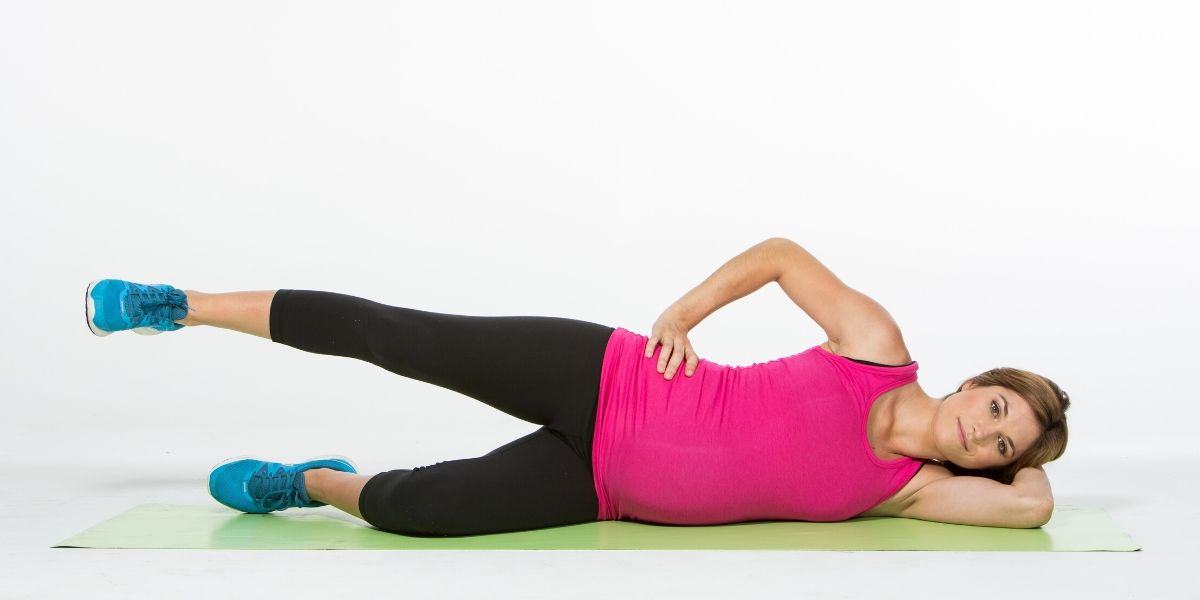
Side-Lying Leg Lifts: Strengthening the Hips

Pelvic floor physio

Side-lying leg lifts are another great exercise for the pelvic floor. Lie on your side with your legs stacked and your head resting on your arm. Slowly lift your top leg towards the ceiling, engaging your pelvic floor muscles as you lift. Lower your leg back down with control. Repeat for ten to fifteen repetitions on each side.

This exercise targets the pelvic floor, hips, and outer thighs, helping to improve strength and stability in the lower body. It’s a simple move that can be done anywhere and is perfect for a quick workout.

Incorporating Pelvic Floor Exercises into Your Routine

Incorporating these pelvic floor exercises into your daily routine doesn’t have to be complicated. Start with a few exercises each day and gradually increase the number and intensity as you build strength. Consistency is key to seeing results, so try to make these exercises a regular part of your routine.

You can do them while watching TV, during a work break, or even first thing in the morning. The beauty of pelvic floor exercises is their versatility and ease of integration into everyday life. By dedicating just a few minutes each day, you’ll be on your way to a stronger, healthier pelvic floor.

Benefits of Strong Pelvic Floor Muscles

Strong pelvic floor muscles offer numerous benefits, from improved bladder control to enhanced sexual health. You’ll notice a difference in your posture, stability, and overall comfort. Plus, these exercises can help prevent or alleviate common issues like incontinence and pelvic organ prolapse.

Pelvic floor physiotherapy is a proactive approach to maintaining your health and well-being. It’s never too late to start, and the positive impacts are well worth the effort. Embrace these exercises and enjoy the benefits of a strong, healthy pelvic floor.

Regular pelvic floor exercises are essential for women of all ages. They’re easy to do, require no special equipment, and offer a range of health benefits. By incorporating exercises like Kegels, bridge poses, squats, heel slides, bird dogs, and side-lying leg lifts into your routine, you’ll strengthen your pelvic floor and improve your overall well-being.

How to Incorporate Exercises into Daily Routine

Finding time for exercise can be challenging, especially with a busy schedule. However, incorporating pelvic floor exercises into your daily routine doesn’t have to be a daunting task. With a few creative tweaks, you can easily make these exercises a part of your day. Here’s how you can seamlessly integrate pelvic floor physiotherapy into your life without feeling overwhelmed.

Morning Routine Magic

Starting your day with a few pelvic floor exercises is a great way to set a positive tone. You don’t need to carve out a separate workout session—just integrate these exercises into your existing morning routine. While brushing your teeth, you can perform Kegels. Simply contract and relax your pelvic floor muscles in sync with your brushing rhythm. This way, you’re multitasking and making good use of those two minutes.

Another option is to do some bridge poses before you get out of bed. Lie on your back, bend your knees, and lift your hips towards the ceiling. Hold for a few seconds, engaging your pelvic floor muscles, then lower your hips back down. Repeat this ten times. It’s a gentle way to wake up your body and strengthen your pelvic floor simultaneously.

Workday Workouts

Sitting at a desk all day can be tough on your body, but you can sneak in some pelvic floor exercises without anyone noticing. While sitting, try doing seated Kegels. Simply contract your pelvic floor muscles, hold for a few seconds, then release. Repeat this ten to fifteen times during your work breaks. You can also set a reminder on your phone to prompt you to do these exercises every couple of hours.

If you have a private office or a quiet corner, you can take a few minutes to do some squats or heel slides. Stand up, perform a set of squats, or lie down for heel slides. These exercises can help break up the monotony of sitting and keep your pelvic floor strong. Plus, they give you a quick energy boost, making you more productive.

Evening Wind-Down

Evening is the perfect time to focus on your pelvic floor exercises, helping you relax and unwind after a long day. While watching TV or listening to music, you can do side-lying leg lifts. Lie on your side, lift your top leg, and lower it back down. This exercise targets your pelvic floor and hips, all while you’re enjoying your favorite show.

Another great evening exercise is the bird dog. Start on your hands and knees, extend one arm and the opposite leg, then switch sides. This exercise is not only good for your pelvic floor but also for your core and balance. It’s a gentle way to end the day, helping you feel accomplished and ready for a good night’s sleep.

Sneak in Exercises Anytime, Anywhere

The beauty of pelvic floor exercises is that they can be done almost anywhere. Waiting in line at the grocery store? Do some Kegels. Sitting in traffic? Engage those pelvic floor muscles. The more you practice, the easier it becomes to incorporate these exercises into various parts of your day.

Think of these moments as opportunities rather than interruptions. By turning idle time into productive exercise time, you’re making the most of your day. Small, consistent efforts can lead to significant improvements in your pelvic floor health. It’s all about being mindful and seizing those moments.

Tips for Consistency

Staying consistent with your pelvic floor exercises is key to seeing results. Here are some tips to help you stick with it. First, set reminders on your phone or use a fitness app to prompt you. Consistency is easier when you have a nudge to keep you on track.

Pair your exercises with daily habits. For example, do Kegels every time you take a sip of water or bridge poses every time you lie down. Linking exercises to regular activities makes them feel like a natural part of your day.

Keep track of your progress. Note how many repetitions you’re doing and any improvements you notice. This can be a great motivator and help you stay committed to your routine. Celebrate small victories, like completing a week of consistent exercise or noticing improved strength.

Make It Fun

Exercising doesn’t have to be a chore. Make it fun by incorporating music, setting challenges, or even doing exercises with a friend. Create a playlist of your favorite songs and do your pelvic floor exercises to the beat. Challenge yourself to increase the number of repetitions or hold times gradually.

If you have a friend interested in pelvic floor physiotherapy, make it a joint activity. Encourage each other and share progress. Having a workout buddy can make the process more enjoyable and less isolating.

Remember, the goal is to make pelvic floor exercises a natural and enjoyable part of your life. By integrating them into your daily routine, you’re taking proactive steps towards better health. It’s about small, manageable changes that add up to big benefits over time. So start today, have fun with it, and enjoy the journey to a stronger, healthier you.

Incorporating pelvic floor exercises into your daily routine can be simple and enjoyable. By weaving these exercises into your morning, workday, and evening activities, you’ll strengthen your pelvic floor without feeling overwhelmed. Stay consistent, make it fun, and celebrate your progress. With these strategies, you’ll find that maintaining pelvic health is easier than you think. So go ahead, start your pelvic floor physiotherapy journey today, and feel the difference!

Avoiding Common Mistakes

Embarking on your pelvic floor physiotherapy journey can be exciting and rewarding. However, like any fitness regimen, there are common mistakes you should avoid to ensure you get the best results. Here are some pitfalls to watch out for and tips on how to steer clear of them. Let’s make your path to stronger pelvic floor muscles smooth and successful!

Overdoing It: Less Can Be More

One of the most common mistakes is overdoing pelvic floor exercises. It’s easy to think that more is better, but that’s not always the case. Overworking these muscles can lead to fatigue and even strain. Just like any other muscle group, your pelvic floor needs time to rest and recover.

Start with a manageable number of repetitions and gradually increase them as your strength improves. Aim for quality over quantity. Focus on doing each exercise correctly rather than rushing through them. Your muscles will thank you for it!

Ignoring Proper Form

Proper form is crucial in pelvic floor physiotherapy. Performing exercises incorrectly can diminish their effectiveness and potentially cause harm. For instance, if you’re doing Kegels, ensure you’re contracting the right muscles. You should feel a lifting sensation in your pelvic area, not a squeezing of your buttocks or thighs.

Take the time to learn each exercise and understand the correct technique. If you’re unsure, don’t hesitate to consult a pelvic floor physiotherapist. They can guide you through the exercises and help you perfect your form. Remember, it’s better to do a few exercises correctly than many with poor form.

Forgetting to Breathe

Breathing may seem like a no-brainer, but it’s easy to forget when you’re focusing on contracting muscles. Holding your breath during pelvic floor exercises is a common mistake that can increase abdominal pressure and strain your pelvic floor.

Make a conscious effort to breathe naturally and deeply while exercising. Inhale as you relax and exhale as you contract your pelvic floor muscles. This rhythm will help you stay relaxed and make your exercises more effective. Plus, it ensures you’re getting enough oxygen to your muscles.

Being Inconsistent

Consistency is key in any exercise routine, and pelvic floor physiotherapy is no exception. Doing exercises sporadically or only when you remember won’t give you the results you’re looking for. It’s important to make pelvic floor exercises a regular part of your daily routine.

Set reminders on your phone or incorporate exercises into daily activities, like brushing your teeth or waiting for your coffee to brew. Creating a habit takes time, but once it’s established, it becomes second nature. Consistent practice leads to stronger muscles and better pelvic health.

Neglecting the Rest of Your Body

Focusing solely on pelvic floor exercises and neglecting the rest of your body can be counterproductive. A holistic approach to fitness ensures balanced strength and overall well-being. Incorporate exercises that strengthen your core, hips, and lower back. This support network helps your pelvic floor function optimally.

Consider activities like yoga or Massage therapy, which emphasize core strength and flexibility. These practices complement pelvic floor physiotherapy and promote overall body health. Remember, your pelvic floor doesn’t work in isolation—it’s part of a complex system that benefits from comprehensive care.

Skipping the Warm-Up

Skipping the warm-up is a mistake that can lead to injury. Just like any other workout, warming up your muscles prepares them for exercise and reduces the risk of strain. Spend a few minutes doing gentle movements to increase blood flow to your pelvic area.

Simple activities like walking, gentle stretching, or light aerobic exercises are great warm-ups. They help loosen your muscles and get them ready for more focused work. A proper warm-up makes your pelvic floor exercises more effective and safer.

Not Seeking Professional pelvic floor physio’s Help

Trying to navigate pelvic floor physiotherapy on your own can be challenging. If you’re experiencing issues like incontinence or pelvic pain, it’s crucial to seek professional help. A pelvic floor physiotherapist can provide personalized guidance and create a tailored exercise plan.

They can also help you identify and correct any mistakes you might be making. Don’t hesitate to reach out for expert advice. Professional support can make a significant difference in your progress and ensure you’re on the right track.

Ignoring Pain or Discomfort, Pelvic floor physio can help!

Pain or discomfort during pelvic floor exercises is a red flag. It’s important to listen to your body and not push through pain. Ignoring these signals can lead to injury and setbacks. If you feel any pain, stop the exercise immediately and reassess your technique.

Make sure you’re not overdoing it or using incorrect form. If the pain persists, consult a healthcare professional. It’s always better to address issues early on rather than risking further damage. Your body’s feedback is invaluable in guiding your exercise routine.

Focusing Only on Contractions

While contractions are a key part of pelvic floor exercises, relaxation is equally important. Focusing only on contracting your muscles can lead to tension and imbalances. Make sure you’re also practicing relaxation techniques to keep your muscles flexible and responsive.

After each contraction, fully relax your pelvic floor muscles. This balance between contraction and relaxation ensures optimal muscle function and health. Incorporate relaxation techniques into your routine, such as deep breathing or gentle stretching. A well-rounded approach leads to better results.

Giving Up Too Soon

Pelvic floor physiotherapy takes time and persistence. It’s easy to get discouraged if you don’t see immediate results. However, giving up too soon is a common mistake. Consistent practice is essential for strengthening your pelvic floor muscles and achieving lasting benefits.

Set realistic goals and celebrate small victories along the way. Track your progress to stay motivated. Remember, every effort counts and contributes to your overall health. Stay committed, and you’ll gradually see the positive changes in your pelvic floor strength and function.

Avoiding these common mistakes ensures that your pelvic floor physiotherapy journey is effective and enjoyable. Focus on proper form, stay consistent, and seek professional guidance when needed. By being mindful of these pitfalls, you’re setting yourself up for success. Keep at it, listen to your body, and celebrate your progress. Strong pelvic floor muscles are within reach, and with the right approach, you’ll achieve your health goals! Still have questions, reach out to us for scheduling a free Discovery call with our experienced therapists.

Pelvic Floor Exercise FAQs

Pelvic floor strengthening: what does it involve?

Pelvic floor strengthening focuses on activating and relaxing the pelvic floor through graded exercises (not just Kegels). A physiotherapist first checks breathing, posture, and core synergy, then prescribes dosage (reps, holds, frequency) based on your symptoms.

How to strengthen pelvic floor
  1. Find and feel the lift (gentle “close and lift” of the pelvic openings).
  2. Breathe—exhale on the lift, inhale to fully release.
  3. Start with short holds (3–5s), equal rest, 8–10 reps.
  4. Progress to endurance (10–30s holds) and quick flicks.
  5. Integrate into daily movements (squats, sit‑to‑stand, lifting).

If you feel pain, heaviness, or can’t fully release, pause and book an assessment.

Pelvic floor therapy exercises
  • Diaphragmatic breathing + pelvic floor release
  • Submax holds (30–50% effort) with timed breaths
  • Quick contractions (“flicks”) for urgency or leakage
  • Hip bridge with gentle lift + full release
  • Deep squat release (for overactivity)
Strengthen pelvic floor without over‑tightening

A full cycle includes both lift and let‑go. Over‑clenching can worsen symptoms. Prioritize complete release between reps and include down‑training (breath, mobility, relaxation).

Exercises to strengthen pelvic floor

Begin with submax lifts, then progress to endurance holds, quick flicks, and functional moves (sit‑to‑stand, step‑ups, carries). Dosage: 1–2 sets/day, 3–5 days/week, adjusted to symptoms.

Pelvic floor strengthening exercises (postpartum)

Start with breath‑led activation and gentle holds. Add core and hip support (glute bridges, clamshells). If you notice doming, heaviness, or leakage, reduce intensity and get assessed.

How to strengthen pelvic floor muscles for men

Focus on a subtle lift around the base of the pelvis (not buttock clenching). Use short holds and quick flicks; integrate with posture and breath. Helpful for urgency, post‑prostate symptoms, and performance.

Related Reading

Top Naturopath Doctor in Hamilton | Wellspring Wellness

Naturopath in Hamilton

Are you seeking a holistic approach to your health concerns? Discover how our naturopathic clinic in Hamilton integrates traditional healing methods with modern science to treat a wide array of health conditions, from digestive disorders to mental health issues. Read on to learn about the benefits of partnering with our experienced naturopath doctors for your health and wellness needs.

Comprehensive Naturopathic Services Tailored for You

At our clinic, we understand that health is not just the absence of disease but a state of overall well-being. Our naturopath doctors specialize in a range of services designed to treat the whole person:


      • Digestive Disorders:

        Effective natural treatments that address the root cause of digestive imbalances.

      • Hormonal Imbalance: Personalized therapies to restore hormonal harmony and support overall health.

      • Mental Health and Neurological Conditions: Integrative strategies that support mental well-being and cognitive function.

      • Cardiovascular Health: Natural approaches to improving heart health and circulation.

      • Metabolic and Endocrine Disorders: Tailored treatments that help manage symptoms of diabetes, thyroid issues, and more.

      • Musculoskeletal Disorders: Solutions to alleviate pain and enhance joint and muscle function.

      • Respiratory Conditions: Holistic remedies that promote lung health and respiratory function.

      • Skin Conditions: Natural therapies for a range of dermatological issues, enhancing skin health and appearance.

      • Immune System Enhancement: Boost your body’s natural defenses with targeted naturopathic interventions.

      • Women’s Health: Comprehensive care addressing the unique health needs of women at all stages of life.

      • Men’s Health: Specialized care focused on men’s health concerns, supporting vitality and wellness.

    Why Choose Naturopathic Medicine?

    Naturopathic medicine offers a unique approach by not only treating illness but also providing preventive care, thereby avoiding the progression of chronic diseases. By focusing on natural and minimally invasive methods, such as acupuncture and herbal medicine, our naturopath doctors help patients achieve sustainable health improvements without the adverse effects often associated with conventional treatments.

    Our Commitment to Excellence:

    At Wellspring Health and Wellness, we pride ourselves on providing top-quality naturopathic care. We combine the best of natural medicine with evidence-based research to tailor treatments that meet your specific health needs. Our experienced naturopaths in Hamilton work closely with you to develop a personalized plan that aligns with your health goals.

    Book Your Free Discovery Call Today:

    Interested in learning how naturopathic care can benefit you? We invite you to book a free 15-minute discovery call with one of our expert naturopath doctors. This no-obligation call will give you a glimpse into our approach and how we can help address your health concerns effectively. Click Book appointment to schedule your free 15 -minute appointment.

    Conclusion: Choosing the right healthcare provider is crucial to your health and well-being. With our experienced team of naturopath doctors in Hamilton, rest assured that you are taking a step towards a healthier, more vibrant life. Contact us today and begin your journey to natural healing and holistic wellness.